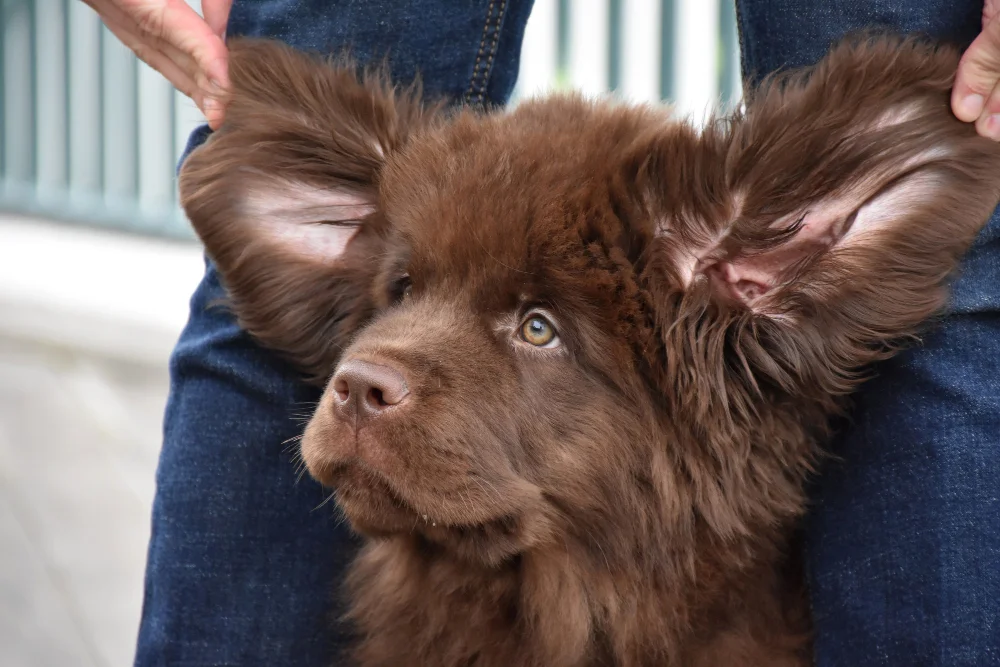
Boredom can often lead your dog to exhibit behaviors that might be mistaken for anxiety, making it important for you to understand the underlying reasons behind their actions. In this guide, you will find vet-approved tips to help you discern whether your furry companion is simply in need of stimulation or is experiencing genuine anxiety. Understanding these differences can enable you to provide the appropriate care and activities that cater to your dog’s mental and emotional well-being.
The Behavioral Signs of Anxiety in Dogs

Understanding the behavioral signs of anxiety in dogs can be the key to addressing their emotional needs. Common indicators include excessive barking, destructive chewing, hiding, or seeking constant reassurance from you. Other symptoms may involve pacing, panting, or a tendency to follow you everywhere. Your dog may also show reluctance to engage in normal activities, such as eating or playing, which could signal deeper distress. Recognizing these behaviors is vital in distinguishing anxiety from mere boredom.
Distress Signals to Watch For
Pay attention to specific distress signals that could indicate anxiety in your dog. Signs such as trembling, whining, or cowering can suggest that your dog is feeling unsafe or overwhelmed. Additionally, your dog may display avoidance behaviors, like trying to hide or escape from certain situations. These signals are crucial clues to understanding your dog’s emotional state, helping you determine whether they are experiencing anxiety rather than just boredom.
Key Contextual Triggers
Key contextual triggers often contribute to a dog’s anxiety. Common scenarios include loud noises (like thunderstorms or fireworks), changes in routine, or unfamiliar environments and people. Your dog’s anxiety levels can spike during events such as moving to a new home, the arrival of a new family member, or any type of significant change in their environment.
For instance, a dog that previously enjoyed car rides might show anxiety if they associate the car with a stressful event, like a visit to the vet. The context in which anxiety arises can vary from dog to dog, depending on their past experiences and sensitivity levels. Identifying these triggers is vital for developing effective coping strategies for your furry friend.
Recognizing Boredom: Subtle Yet Telling Indicators

Boredom in dogs can manifest in various subtle ways that may often be overlooked. Signs can include a lack of enthusiasm during playtime, prolonged periods of inactivity, and an unwillingness to engage with toys that normally excite them. If your dog seems to struggle to find contentment in their daily routine or appears disinterested in their surroundings, it could be a sign that they are seeking stimulation rather than suffering from anxiety.
Lack of Interest in Favorite Activities
Your dog’s disinterest in their favorite games or activities can be a telling sign of boredom. If they used to eagerly chase after their favorite ball or tug on their beloved rope toy but now just watch it roll away without any excitement, it’s time to reassess their daily regimen. Healthy dogs thrive on activity and engagement, so a lack of interest may point to a need for new challenges and stimulation.
Destructive Behaviors Linked to Frustration
Destructive behaviors can often arise as a result of frustration stemming from boredom. A dog with excess energy and insufficient mental stimulation may resort to chewing furniture, digging through your belongings, or relentlessly barking. These actions are their way of expressing dissatisfaction and seeking an outlet for pent-up energy. If these behaviors become frequent, it might be time to explore how to provide better outlets for their energy.
Destructive behaviors are not just random acts of mischief; they often indicate that your dog lacks appropriate outlets for their energy and mental engagement. For instance, a bored dog may chew on the couch or dig in the yard because they need stimulation that their routine doesn’t provide. If this behavior is consistently directed at specific items, like shoes or pillows, it can reveal where they feel the most restricted. Understanding this link can guide you in incorporating more interactive toys, regular exercise, and challenging activities to keep your pup mentally engaged and physically satisfied, diminishing the need for such destructive habits.
Distinguishing Between Anxiety and Boredom: An Analytical Approach

Understanding the difference between anxiety and boredom requires keen observation and analytical thinking. Both conditions can trigger similar behaviors, such as excessive barking or pacing, but the underlying causes differ significantly. Anxious dogs might show increased sensitivity to environmental changes or social interactions, while bored dogs often demonstrate behaviors that indicate restlessness or searching for stimulation. To effectively identify whether your dog is anxious or just bored, observe the context of their behaviors closely, noting when and where they occur, which is vital for proper intervention.
Environmental Influences on Behavior
Your dog’s environment plays a significant role in their behavior. Factors such as noise levels, the presence of other animals, and even the layout of your home can impact how your dog feels and acts. A loud, busy environment might heighten anxiety levels, whereas a stimulating yet secure space can alleviate feelings of boredom. Take time to evaluate how your dog interacts with their surroundings to better understand what might be influencing their emotional state.
The Role of Routine and Enrichment
Establishing a consistent routine alongside enriching activities can dramatically affect your dog’s mental and emotional well-being. Dogs thrive on predictability, feeling secure with regular feeding, walking, and playtime. Incorporating activities such as puzzle toys, interactive games, and training exercises not only breaks the monotony but also helps to engage your dog’s mind. This dual approach ensures that their physical needs are met while simultaneously providing mental stimulation, potentially reducing boredom and alleviating anxiety-related behaviors.
Incorporating routine into your dog’s daily life creates a stable environment where they can anticipate what happens next. For instance, a structured schedule that includes dedicated playtime, training sessions, and quiet time helps your dog feel secure and reduces uncertainty, a common trigger of anxiety. Enrichment activities transform their downtime, utilizing tools like treat-dispensing toys or agility courses to challenge their intellect and physicality. A combination of a well-defined routine and engaging activities addresses both boredom and anxiety effectively, guiding your dog toward healthier behaviors.
Effective Strategies to Alleviate Anxiety and Combat Boredom
By implementing targeted strategies, you can effectively reduce your dog’s anxiety levels while simultaneously combating boredom. Tailoring activities and training techniques to meet your dog’s unique needs will not only help them feel more secure but also keep their minds active and engaged. Incorporating these methods into your daily routine will create a healthier and happier environment for both of you.
Vet-Approved Techniques for Reducing Anxiety
Consider using calming products like anxiety wraps, pheromone diffusers, or natural supplements that your local vet recommends. Structuring your dog’s day with predictable routines can also provide a sense of security. Additionally, short, positive training sessions help build confidence, while gentle exercise can alleviate stress. If your dog shows persistent anxiety, consult your vet for tailored treatment options.
Engaging Activities to Enhance Mental Stimulation
In addition to addressing anxiety, ensuring your dog has ample mental stimulation is important for their overall well-being. Puzzle toys that dispense treats, scent work games, and interactive play sessions can keep your dog’s mind engaged. Incorporating obedience training or teaching new tricks will further challenge them, making them feel accomplished and satisfied, which reduces both boredom and anxiety.
Engaging activities can be varied and tailored to your dog’s preferences and energy levels. For instance, setting up an obstacle course in your backyard or taking part in a fun agility class encourages physical and mental exercise. Rotating toys and introducing novel items can spark interest as well. Regularly switch out activities, so your dog remains excited about their playtime. Consider scheduling playdates with other dogs to enhance socialization while providing an outlet for energy and concentration.
Collaborative Solutions: Seeking Professional Help

Engaging with professionals can provide additional insights and tailored interventions for your dog’s unique situation. Whether you’re navigating anxiety or boredom, a multi-faceted approach often yields the best results. Collaborating with veterinarians and behavioral specialists can help you uncover underlying issues that may not be immediately apparent and set you on the path to a happier, more balanced dog.
When to Consult Your Veterinarian
If you notice persistent behavioral changes, such as excessive barking, destructive tendencies, or signs of distress that don’t respond to your efforts at enrichment, seeking veterinary advice can help. A thorough health check will determine if any medical conditions are contributing to your dog’s behavior and can rule out physical ailments that require treatment.
The Role of Behavioral Specialists
Behavioral specialists focus on the emotional and psychological well-being of dogs, offering strategies that promote healthy behavior and coping mechanisms. Their expertise is critical for addressing complex issues such as severe anxiety or compulsive behaviors that may not improve with standard training techniques alone.
Behavioral specialists often employ a combination of training, environmental modifications, and structured routines tailored to your dog’s needs. They will observe your dog’s behavior patterns, offer actionable recommendations, and may even suggest specific training programs or tools to use over time. For instance, they may implement desensitization techniques for anxious dogs or recommend engaging play activities for bored pups. Their guidance can be invaluable in building a stronger bond between you and your dog, ensuring that both emotional and psychological aspects are properly addressed.
To wrap up
Conclusively, understanding whether your dog is anxious or simply bored is vital for their well-being. By observing their behavior, implementing structured routines, and consulting with your veterinarian, you can better assess your pet’s needs. Engaging your dog with physical and mental stimulation can also help alleviate boredom and anxiety. Observing subtle cues will enhance your relationship with your furry friend and ensure they lead a happier, healthier life. Take the time to explore these vet-approved tips, and you’ll be equipped to make the best choices for your dog’s needs.
FAQ
Q: How can I tell if my dog is anxious or just bored?
A: Observing your dog’s behavior in different situations can help determine if they are anxious or simply bored. Anxious dogs may exhibit signs such as excessive barking, destructive behavior, panting, pacing, or hiding. On the other hand, bored dogs often engage in repetitive behaviors like chewing, digging, or seeking attention. Providing a stimulating environment can help, as well as monitoring their reactions to various stimuli. If you’re unsure, consulting with a veterinarian can provide additional guidance.
Q: What are some effective activities to alleviate my dog’s boredom?
A: To combat boredom, consider engaging your dog in a variety of activities. Regular walks, play dates with other dogs, interactive toys, and puzzle feeders can help keep your dog mentally and physically stimulated. You might also explore training sessions to teach new tricks or commands, as this promotes bonding and can tire them out. Enrichment activities such as scent work or agility courses can also be great alternatives to keep them engaged and entertained.
Q: When should I consult a veterinarian about my dog’s behavior?
A: If your dog’s behavior changes suddenly or if their signs of anxiety become severe—such as persistent growling, aggression, or extreme withdrawal—it would be wise to contact a veterinarian. A professional can help identify underlying issues and suggest appropriate interventions. Regular check-ups are also a good opportunity to discuss any behavioral concerns you might have and to seek guidance on managing your pet’s mental health effectively.