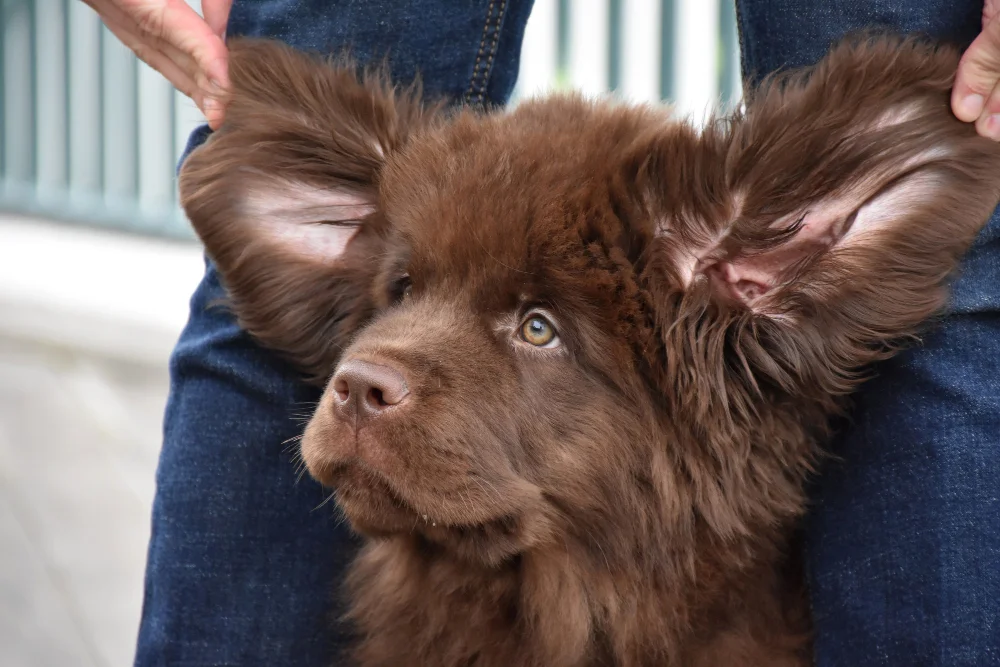
Pets are seen as family members, but during coyote season in Edmonton, their safety can be at risk. Understanding the behavior of coyotes and taking proactive measures can help ensure your furry friends remain safe during walks. In this guide, you will learn effective strategies to protect your pets while enjoying the great outdoors. From avoiding high-risk areas to utilizing specific tools, you’ll gain valuable insights for safer walks with your pets during this wildlife-active season.
The Coyote Threat Landscape in Edmonton

Edmonton’s unique blend of urban and natural environments creates a diverse habitat for coyotes, making encounters increasingly common. With an estimated population of over 200 adult coyotes in the city and its surrounding areas, their adaptability to city life is remarkable. They thrive not only in the River Valley but also in the parks, and even residential neighborhoods, leading to potential risks for pets, especially small dogs and cats that could easily become prey.
Understanding Coyote Behavior and Habitat
Coyotes are highly social and intelligent animals, often found in family groups. Their diet primarily consists of small mammals, but their opportunistic nature means they can also scavenge in urban areas. Knowledge of their behavior, such as their tendency to hunt at dawn and dusk, helps you better anticipate possible encounters. Understanding the places they prefer—like abandoned lots and wooded areas—can also assist you in avoiding potential risks when walking your pet.
Key Times for Increased Coyote Activity
The hours around sunrise and sunset are critical times for coyote activity, as they prefer to hunt during these cooler periods of the day. Activity spikes in spring and fall due to mating and pup-rearing seasons, when coyotes are more territorial and protective of their young. You might notice increased sightings around these times, making it imperative to remain vigilant during your walks.
During these key times, coyote sightings can rise significantly, especially in the spring when they are establishing territories and finding food for their pups. Parks and open spaces are particularly risky during these hours, as coyotes are highly active, searching for potential threats or food. Keeping your pets on a short leash and avoiding these peak activity periods can greatly decrease the likelihood of an unwanted encounter.
Pet Safety Strategies for Walkers

Ensuring your pet stays safe during walks involves implementing key strategies that minimize risks from coyotes and other hazards. Focus on consistent leash management, smart route selection, and leveraging technology to keep you informed and your pet secure. Adopting these strategies will help you create a safer walking environment for you and your loyal companion.
Best Practices for Leash and Harness Use
Choose a sturdy leash and a comfortable harness designed for your pet’s size and breed. A five- to six-foot leash grants you better control, especially in areas where coyotes may be present. Harnesses that attach in the front can discourage pulling and provide additional stability, reducing the likelihood of your pet escaping if startled by wildlife.
Smart Route Selection: Avoiding Coyote Hot Spots
Selecting walking routes with fewer coyote sightings is a smart strategy. Research local coyote activity reports, consult neighborhood groups, and stay informed about specific locations where coyotes have been spotted recently. Choosing well-lit, busy trails or parks where other pet owners frequent may also reduce encounters, providing a safer environment for your walks.
Data shows that coyotes often avoid heavily trafficked areas. By staying away from known “hot spots,” you decrease the chances of an encounter with these wild animals. Keep in mind that coyotes are most active during dawn and dusk, so planning your walks during daylight hours can be an effective way to lower the risk. Joining local pet walking groups can also help you learn about safe routes and create a buddy system for added protection.
Using Technology for Pet Safety Alerts
Utilize mobile apps and devices designed to alert you about wildlife activity in your area. Many apps provide real-time alerts of coyote sightings, which can be incredibly useful for guiding your walking routes. GPS collars with activity monitoring can track your pet’s location, giving you peace of mind while enjoying your walk.
Integration of technology into your walking routine not only enhances safety but adds convenience. For instance, some local communities have created social media groups or apps where residents share immediate coyote sightings, helping you stay ahead of potential encounters. In addition, GPS collars can help track your pet’s movements in case they wander off, providing a reliable backstop for locating your furry friend swiftly. Staying connected and informed can greatly reduce the risks associated with coyote season.
Training Your Pet to Cope with Wildlife Encounters
Training your pet to handle encounters with wildlife can significantly enhance their safety and your peace of mind during walks. Start by integrating specific commands and exercises into your pet’s routine to ensure they respond appropriately when faced with unexpected situations, such as a coyote crossing your path.
Reinforcing Recall Commands
Focusing on strong recall commands is vital for keeping your pet safe. Regular practice of commands like “come” during your walks can help keep them close and respond promptly in potential perilous situations. Consistent reinforcement through positive rewards will solidify their response, decreasing the chances of them wandering into danger.
Desensitizing Pets to Urban Wildlife
Gradually exposing your pet to urban wildlife allows them to become more accustomed to seeing animals like coyotes or rabbits, reducing their instinct to chase or react fearfully. Begin by observing wildlife from a safe distance during walks and rewarding calm behavior.
Desensitization is not an overnight process; it requires patience and consistency. Start with brief sessions where you expose your pet to a controlled environment with visible wildlife. Use treats and praise to reward calm and composed behavior, reinforcing the notion that these animals are not a threat. Slowly increase the duration and proximity of these encounters, allowing your pet to associate wildlife sightings with positive experiences. This approach can minimize stress and aggressive reactions during unexpected encounters in the field.
Community Awareness and Action
Building awareness within your community can significantly enhance pet safety during coyote season. Engaging in local initiatives such as organizing neighborhood watch programs or hosting informational meetings can help keep everyone informed about potential coyote activity. The more you and your neighbors communicate, the more effectively you can protect your pets, demonstrate community vigilance, and share strategies to deter coyotes in the area.
Engaging Neighbors in Pet Protection Initiatives
Getting your neighbors involved in pet protection initiatives fosters a collective responsibility for safety. You can start a community group focused on educating pet owners about best practices for walks and encourage everyone to share updates about coyote sightings. Holding discussions on preventive measures, such as using reflective gear during walks or adopting dog training techniques to minimize risks, can empower your community to take proactive steps together.
Reporting and Documenting Coyote Sightings
Thoroughly documenting coyote sightings is crucial for understanding their patterns and behaviors in your area. You can create a shared online platform for residents to log occurrences and share details such as location, time, and any notable interactions with pets. In addition to increasing awareness, this data can be crucial for local animal control to assess the situation and strategize effective responses. The more documented sightings there are, the better authorities can understand local trends and help keep your pets safe.
While keeping records of coyote sightings, include specific details like the number of coyotes spotted, their behavior, and any interactions with pets or humans. This information can contribute not only to local databases but can also help educate fellow residents and authorities about the frequency and risk levels in your neighborhood. You might also consider connecting with local wildlife organizations for guidelines on how to report these encounters effectively, ensuring your data is beneficial for managing coyote interaction within your community.
Emergency Protocols: What to Do if You Encounter a Coyote
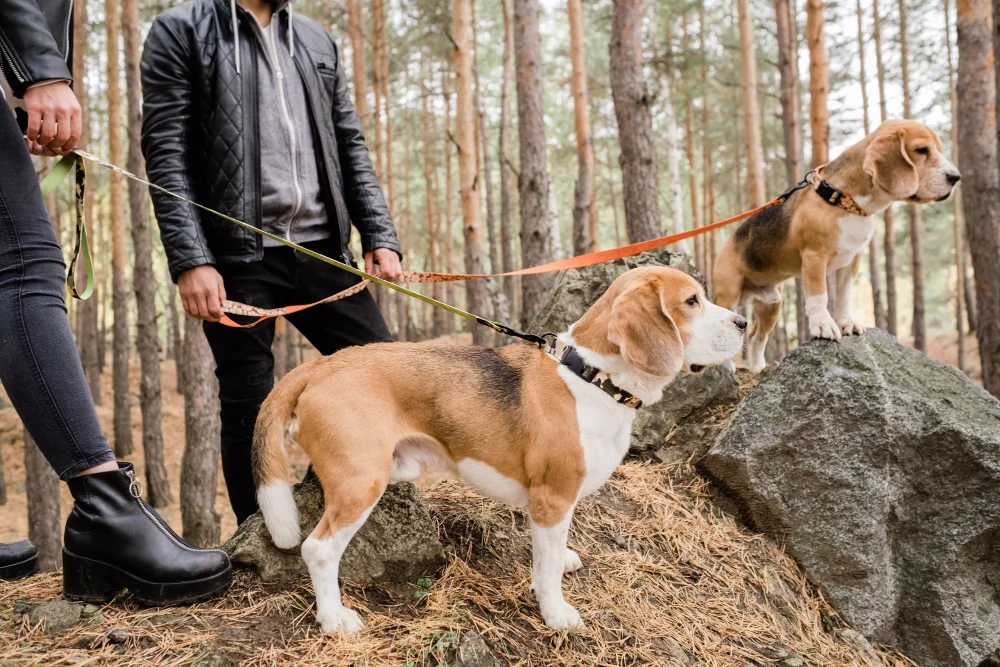
In the event of a close encounter with a coyote, the priority is to keep yourself and your pet safe. Maintain a calm demeanor, back away slowly, and do not turn your back on the coyote. Make yourself look larger by raising your arms and speak firmly to assert your presence. If the coyote approaches too closely, clap your hands, make loud noises, or use an air horn or whistle. Your energy will often prompt the coyote to retreat. Always have a route prepared to quickly exit the area if needed.
Effective Deterrence Techniques
Using effective deterrence techniques can significantly reduce the likelihood of an unwanted encounter with a coyote. When walking your dog, carry noise-makers such as bells or whistles, which can startle a coyote and discourage it from approaching. Additionally, keep your pet on a leash and avoid walking during dawn or dusk when coyotes are most active. A firm, confident posture during a sighting can also convey that you are not to be trifled with.
When to Seek Professional Help
Seeking professional help becomes important when you notice consistent coyote behaviors that could pose a danger to your pets or community. If coyotes appear overly bold, are frequenting your neighborhood, or display aggressive behavior, consulting local wildlife authorities or animal control is advisable. Ongoing issues may require further assessments and potentially practical interventions to address the growing coyote population in urban settings.
Establishing contact with wildlife authorities provides access to resources and guidance on safe cohabitation practices. They can offer valuable insights into coyote behavior patterns, educate you on effective deterrents, and even organize community initiatives for handling persistent coyote issues. This proactive approach not only protects your pets but also fosters a safer environment for everyone living in affected areas.
Coyote Season in Edmonton – How to Protect Your Pets on Walks Conclusion
Hence, being proactive and aware during the coyote season in Edmonton is imperative for keeping your pets safe during walks. You should consider walking your pets on a leash, avoiding dawn and dusk hours when coyotes are most active, and staying vigilant in wooded or open areas. Additionally, educating yourself about coyote behavior can empower you to react appropriately should you encounter one. By taking these precautions, you can enjoy safe walks while protecting your furry companions from potential threats.